
Saving for a first home can feel like trying to fill a bucket with a small cup—especially when the goal includes a down payment, closing costs, inspections, moving expenses, and early repairs. The challenge is real, but a clear plan can turn a distant dream into a series of manageable decisions.
You do not need a perfect financial life to begin. You need a realistic target, repeatable habits, and flexibility as your income and priorities change. These six tips will help you build a home-buying savings strategy without losing sight of everyday needs.
1. Set a Complete Savings Goal
A home-buying target should cover more than the down payment. Add closing costs, inspections, moving expenses, prepaid costs, and likely early repairs, then revisit the estimate as your plans become clearer.
- List upfront costs: Include the down payment and other expenses due before or around closing.
- Set a review date: Update the target when your timeline, home price, or loan plans change.
2. Make a Realistic Budget
A useful budget reflects actual spending and leaves room for normal life. Review recent activity, separate essentials from flexible spending, and include costs that do not arrive every month.
- Plan for irregular expenses: Set aside money for annual bills, maintenance, gifts, travel, and other non-monthly costs.
- Choose a sustainable amount: Save consistently while leaving room for everyday needs and reasonable enjoyment.
3. Automate Savings and Use a Separate Account
Saving is easier when it happens before everyday spending. Schedule a manageable transfer around payday and keep it in an account dedicated to the home goal.
- Choose the timing: Set transfers shortly after income arrives so saving becomes a regular priority.
- Check the setup: Review the amount and date when your pay schedule, budget, or account balance changes.

4. Cut Recurring Costs and Increase Income
Freeing up monthly cash can come from both lower bills and manageable extra income. Focus on changes that fit your skills, schedule, and responsibilities rather than chasing an unsustainable plan.
- Trim and redirect: Review subscriptions and fixed bills, then move any savings into the home-buying account.
- Earn within your limits: Consider freelance work, tutoring, seasonal work, or a compensation conversation if it fits your circumstances.
5. Use Windfalls Wisely and Protect an Emergency Fund
Windfalls can accelerate savings, but a separate emergency reserve helps you handle surprises without high-cost debt or raiding the home fund. Decide how to divide extra money before it arrives.
- Prioritize resilience: Address urgent needs first and keep emergency savings separate from the home-buying target.
- Split intentionally: Divide the remainder among home savings, the emergency fund, debt reduction, and a modest personal use category as appropriate.
6. Research Current Assistance Programs and Account Options
Support may be available through local, regional, employer, nonprofit, or lender-related resources, and account features can affect access, fees, flexibility, and tax treatment. Availability and eligibility can change, so use current official information rather than old articles or informal advice.
- Check current sources: Review guidance from government housing agencies, local authorities, employers, financial institutions, and reputable nonprofits.
- Compare the fit: Review eligibility, access, fees, protections, tax treatment, and documentation before choosing a program or account.
Start With One Clear Next Step
Buying your first home is a major goal, but you can move forward one repeatable step at a time. Set a complete target, budget realistically, automate savings, and protect your emergency reserve while looking for practical ways to free up cash.
Start by reviewing recent spending and scheduling a manageable transfer to your home-buying account. Consistent progress and informed decisions can help you move toward homeownership with confidence.
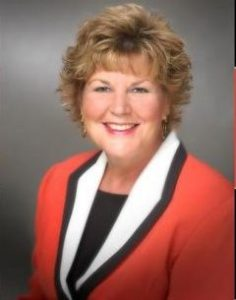
Thanks so much for taking the time to read my Blog. If you require more information on buying or selling a home please give me a call. I was born in and am native to Chatham, Ontario. I began my real estate career in 1989, I have been a member of the MLS Chatham-Kent Real Estate Board since 1989. I joined the Royal LePage Sales Team in 2001. I’ve been helping my clients buy and sell homes in the Chatham-Kent area for over 25 years. Give me a call today at (519) 401-5470 for a free, no-obligation consultation.
Thanks, Deb Rhodes
Look me up on X @ckhomes4sale